What to Expect From a Real Estate Website Project
A clear walkthrough of the real estate website project process — discovery, design, build, content, launch, and post-launch — with realistic timelines.

Photo via Pexels
Hiring a designer is the easy part. What surprises most agents is everything that comes after — the discovery calls, the content gathering, the rounds of feedback, the launch day jitters. A website isn’t a thing you buy off a shelf; it’s a project you participate in, and knowing the shape of that project ahead of time is the difference between a smooth build and a frustrating one.
This is the honest play-by-play of how a real estate website project actually unfolds, phase by phase, with realistic timelines. Process details vary by studio, but the arc is consistent. Read this before you start and you’ll know what’s coming, what’s expected of you, and roughly how long the whole thing takes.
Phase 1: Discovery and strategy
Every good project starts with questions, not design. The discovery phase is where your designer learns your business — your market, your ideal client, how you get leads now, what’s working, and what your site needs to accomplish. Expect a kickoff conversation, maybe a questionnaire, and discussion of goals like lead capture, IDX search, and which neighborhoods you want to rank for.
This phase feels slow to impatient agents because nothing visual happens yet. Resist the urge to rush it. The decisions made here — sitemap, priorities, target audience — shape everything downstream, and a strong strategic foundation is what separates a site that generates clients from one that just looks nice. A designer who skips discovery and jumps straight to mockups is a red flag, as our guide on choosing a real estate web designer explains. Typical timeline: 1 to 2 weeks.
Phase 2: Design and mockups
With strategy set, design begins. You’ll typically see a homepage concept first — layout, colors, typography, and the overall feel — followed by interior page templates. This is the visual phase agents enjoy most, and it’s where your brand comes to life on screen.
Your job here is to give clear, timely feedback. Vague reactions (“I don’t love it”) slow everything down; specific ones (“the hero photo feels too dark, and I want the search bar higher”) move it forward. Expect one or two rounds of revisions built into most projects. Good design isn’t just decoration — the Nielsen Norman Group has documented for years how layout and hierarchy drive whether visitors take action, so push for substance, not just prettiness. Typical timeline: 1 to 3 weeks, depending on revision rounds.
Phase 3: Build and development
Once you approve the design, it gets built into a working website. This is the heads-down development phase — turning static mockups into a real, functional site with working navigation, mobile responsiveness, and the technical structure underneath.
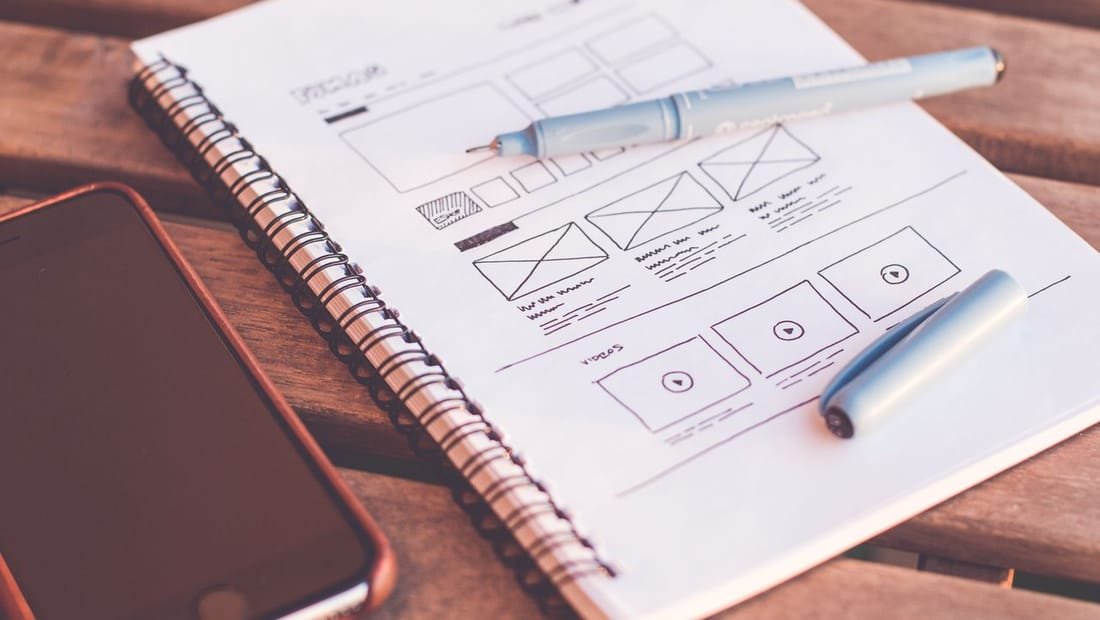
The headline event of this phase is usually IDX integration — connecting live MLS search so visitors can browse listings on your site. This is the most technically involved piece of a real estate build, and our IDX integration explainer breaks down why. It’s also where the right technical groundwork for search gets laid; Google’s Search Essentials documentation makes clear that this foundation is far easier to build in now than to retrofit later. You’ll have less to do during this phase — it’s the designer’s turn to work — but stay reachable for questions. Typical timeline: 2 to 4 weeks.
Phase 4: Content and copywriting
Content is the phase that quietly derails more projects than any other, because it’s where the agent’s homework comes due. Your site needs words and images: your bio, service descriptions, neighborhood pages, testimonials, and quality photography. Depending on your arrangement, you’ll either write this yourself or your designer will, often based on interviews with you.
Either way, gather your materials early. The single most common cause of a stalled website project is an agent who hasn’t sent their headshot, their bio, or their listing photos. If you’re writing your own copy, our piece on real estate website mistakes covers what to avoid. And don’t underestimate photography — strong visuals do real work, a point that outlets like Inman raise constantly when discussing how agents present themselves online. Typical timeline: runs parallel to build, but depends heavily on you.
Phase 5: Review, testing, and launch
Before going live, the site gets a thorough check. Your designer tests it across devices and browsers, verifies forms and IDX search work, checks load speed, and fixes anything broken. You’ll get a final review — your chance to catch typos, confirm links, and make sure everything reads the way you want.
A few things are worth verifying yourself before launch:
- It’s fast on mobile. Run it through PageSpeed Insights; most of your visitors are on phones.
- Forms actually deliver. Submit a test lead and confirm it lands in your inbox or CRM.
- IDX search works. Search a few listings the way a buyer would.
- The basics are clean. Phone number, email, and links all correct.
Then comes launch — pointing your domain at the new site and going live, ideally with security like an SSL certificate already in place (Let’s Encrypt makes this standard now). Launch day is usually anticlimactic in the best way: a quiet flip of a switch after weeks of work. Typical timeline: 1 week.
Phase 6: Post-launch and the long game
Launch is a milestone, not the finish line. A real estate website is a living asset that needs care — and, more importantly, it needs to start being found. The weeks after launch are when you set up Google Search Console to monitor performance, confirm the site is indexed, and begin the slow, compounding work of SEO.
Set expectations honestly here: SEO takes months, not days, to produce results. A new site doesn’t rank overnight, and according to NAR research, the overwhelming majority of buyers start online — so showing up in search is the long-term payoff worth waiting for. This is also where ongoing maintenance begins, which our guide to maintaining a real estate website covers in depth. Timeline: ongoing, indefinitely.
How long does the whole thing take?
Add it up and a typical real estate website project runs six to twelve weeks from kickoff to launch, with simpler sites at the short end and custom brokerage builds at the long end. The single biggest variable isn’t the designer’s speed — it’s yours. Projects that stay on schedule are the ones where the agent responds to feedback quickly and delivers content on time. Projects that drag are almost always waiting on the client.
So the most useful thing you can do is show up prepared: have your photos, bio, and testimonials ready, block time for feedback, and make decisions promptly. Treat it like a transaction with a deadline and it’ll move like one.
It also helps to set expectations with yourself about what launch does and doesn’t deliver. Going live is the moment the work becomes visible, but it’s not the moment leads start pouring in — search visibility builds over the following months, and the site’s real return accrues gradually as it gets indexed, ranks, and earns trust. Resources like Moz’s beginner’s guide to SEO make the same point: the website is the asset, and the compounding starts after launch, not before it. Going in with that mindset keeps the post-launch phase from feeling anticlimactic and keeps you investing in the part that actually pays off.
If you’d like a project that runs on a clear, predictable process rather than a vague promise, that’s how we work. Will2Design handles real estate web design with defined phases and honest timelines, so you always know what’s next. Get a free quote and we’ll map out exactly what your project would look like.
Want a website that turns readers into clients?
Tell us about your real estate business and get a free, no-pressure quote.