Real Estate Landing Pages That Convert
Build real estate landing pages that convert: one clear goal, a strong headline, social proof, fast load times, and forms that turn ad clicks into real leads.
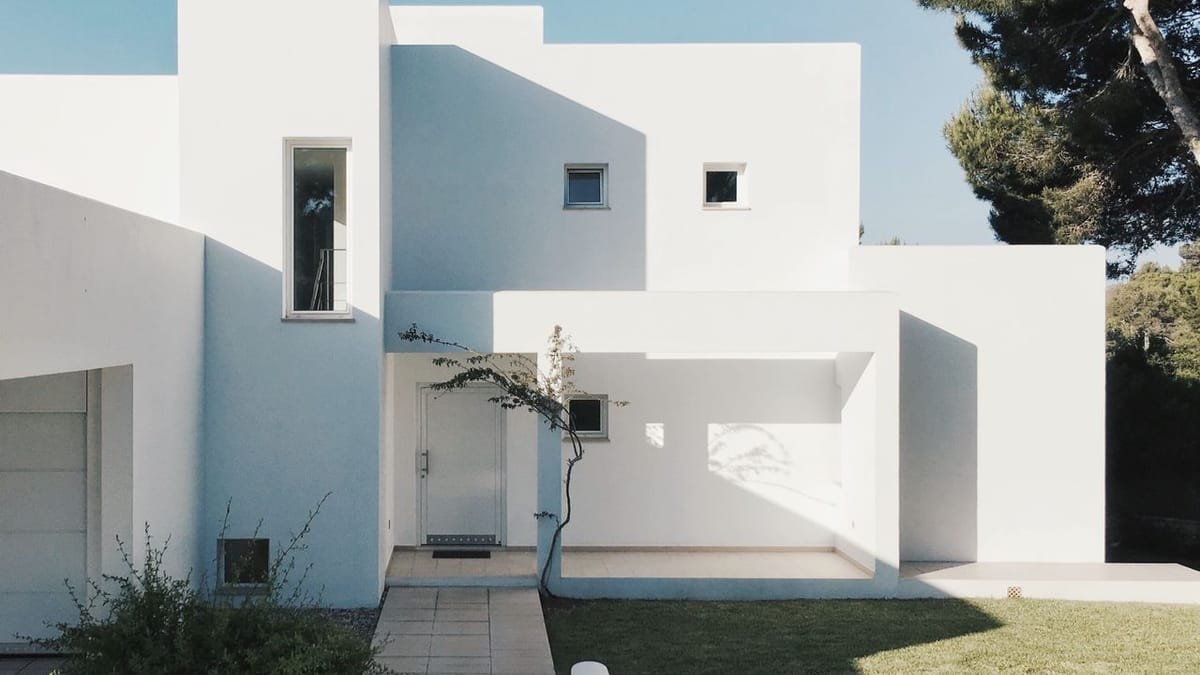
Photo via Pexels
There is a quiet difference between a website page and a landing page, and it costs agents money every day they ignore it. Your website is built for browsing. A landing page is built for a single decision. When you send someone from an ad, an email, or a QR code on a yard sign, you do not want them wandering your navigation. You want them to do one thing, and a well-made landing page makes that one thing nearly inevitable.
Real estate landing pages are some of the highest-return assets you can build, because the traffic arriving on them is already warm. Someone clicked a “What’s my home worth?” ad or scanned a sign in front of a listing they like. The intent is there. The page’s only job is to not waste it. Here is how to build pages that capture that intent instead of leaking it.
One Page, One Goal
The first rule is also the one most agents break: a landing page has exactly one job. Not three. One. A single property page should drive tour requests. A seller valuation page should drive valuation requests. A neighborhood guide should drive saved searches.
The moment you add a second goal, conversions on the first one drop. This is why landing pages strip away the standard site navigation entirely. No header menu, no “About” link, no footer full of distractions. The visitor has two real choices: take the action or leave. That focus is uncomfortable to design at first, but it is precisely what makes these pages convert. Marketing teams at HubSpot have shown for years that removing navigation from a landing page reliably lifts conversion, and the principle holds just as strongly in real estate.
Lead With a Headline That Names the Promise
Your headline is doing 80 percent of the work, and a visitor decides within seconds whether to keep reading. Vague is fatal. “Welcome to my website” tells them nothing. “See what your [neighborhood] home is worth in 60 seconds” tells them exactly what they get and how fast.
Strong real estate landing page headlines tend to do one of three things:
- Name a specific outcome: “Get an accurate, no-obligation valuation of your home”
- Speak to a specific audience: “First-time buyers in [city]: see homes under $400K before they hit Zillow”
- Lead with the property itself: the address, a stunning hero photo, and the single most compelling detail
Whatever you choose, the headline and the ad or message that sent the visitor there must match. If your ad promised a home valuation and the page talks about your years of experience, the visitor feels tricked and bounces. Message match is not a nicety; it is the difference between a click and a lead.

Use Images That Sell the Moment
Real estate is visual, and your landing page should be too, but every image needs to earn its place. A single, gorgeous hero shot beats a cluttered gallery on a conversion page. For a listing landing page, the hero photo is the hook, so it had better be professional. Phone snapshots undercut the premium impression the rest of the page is trying to make. Our guide to real estate website photography covers what separates listing photos that sell from ones that sit.
For seller and buyer lead pages, use imagery that reinforces the promise without overwhelming the form. The page should feel calm and confident, not busy. Free tools like Canva make it easy to produce clean, on-brand supporting graphics if you need them, but the property and the offer should always be the stars.
Make the Form the Easiest Part
The form is where intent becomes a lead, so friction here is the most expensive friction on the entire page. Ask only for what you genuinely need to start a conversation. For most real estate offers, that is a name and either an email or a phone number. Every additional field measurably lowers completion.
A few details that consistently help:
- Keep the form visible above the fold so the visitor never has to hunt for it.
- Write a button that describes the result, like “Get my home value” instead of “Submit.”
- Add one line of reassurance, such as “No spam, no obligation,” to lower hesitation.
- Repeat the call to action further down the page for visitors who needed more convincing first.
This is the heart of turning traffic into contacts, and it pairs closely with the broader tactics in our article on lead capture for your real estate website.
Earn Trust With Proof
A stranger handing you their phone number is taking a small risk, and proof lowers that risk. The most persuasive proof on a real estate landing page is specific and recent: a short client testimonial naming a real neighborhood, a “sold in 9 days” stat, or a simple count of homes you have closed this year.
Reviews carry enormous weight here. Buyers and sellers trust the experience of other clients far more than your own claims, which is why surfacing genuine reviews or your profile on Realtor.com directly on the page lifts conversion. Industry coverage from Inman repeatedly underscores how decisive client reputation has become in winning real estate business. Add a clear photo of yourself and your contact information so it is obvious there is a real, reachable human behind the page.
Speed and Mobile Are Not Optional
Most of your landing page traffic arrives on a phone, often from a social ad or a text. If the page is slow or awkward to use on mobile, you lose the lead before they ever read your headline. Think with Google research has long shown that conversions drop sharply as load time climbs past a few seconds, and given how many buyers begin on Zillow and other mobile-first portals, a clunky page on a phone is an instant exit.
Keep the page light: compress images, avoid heavy scripts, and test it on an actual phone, not just your desktop browser shrunk down. The form should be thumb-friendly, the text readable without zooming, and the button large enough to tap easily.
Test, Then Test Again
No one writes the perfect landing page on the first try. The agents who get exceptional results treat the page as a living thing. Change one element, watch the numbers, keep what wins. Headlines, button text, the hero image, and form length are the usual high-impact levers, and conversion guides from Semrush confirm these are exactly where small tests tend to pay off most.
If you are sending paid traffic to these pages, this discipline matters even more, because every percentage point of conversion lowers your cost per lead. We dig into that tradeoff in our comparison of paid ads versus SEO for realtors. Run your tests long enough to trust the result, and let data, not opinion, decide.
Common Mistakes That Quietly Kill Conversions
Even agents who follow the playbook trip over the same handful of mistakes, and each one leaks leads you paid to acquire. Watch for these:
- Sending traffic to the homepage. A homepage is built for browsing, not deciding. Every ad and campaign deserves a purpose-built page, full stop.
- Burying the offer below the fold. If a visitor has to scroll to understand what you want, most never will. Lead with it.
- Asking for too much. A ten-field form on a cold offer is a wall. Match the ask to the temperature of the traffic.
- Generic stock imagery. A page about a specific home or neighborhood that uses anonymous stock photos feels hollow. Show the real thing.
- No follow-up plan. A lead captured and ignored for two days is a lead lost. Connect the form to instant notification and fast contact.
Avoiding these costs nothing and protects every dollar you spend driving traffic. For more on the wider patterns that undermine agent sites, our roundup of real estate website mistakes is worth a read.
Put It to Work
A landing page that converts is focused, fast, honest, and built around a single decision. Strip the distractions, lead with a clear promise, prove you are trustworthy, make the form effortless, and have a follow-up plan ready before the first lead arrives. Do that, and the warm traffic you are already paying for or earning starts turning into real conversations instead of bounces.
If you would rather have these built right the first time, our listing landing pages service produces conversion-focused pages for individual properties and lead offers alike. Tell us what you are promoting and get a free quote. We will build pages that turn clicks into clients.
Want a website that turns readers into clients?
Tell us about your real estate business and get a free, no-pressure quote.