Branding for Real Estate Agents: A Practical Guide
A practical guide to real estate agent branding — how to build a distinct, trustworthy identity that wins listings, from your logo and voice to your website.

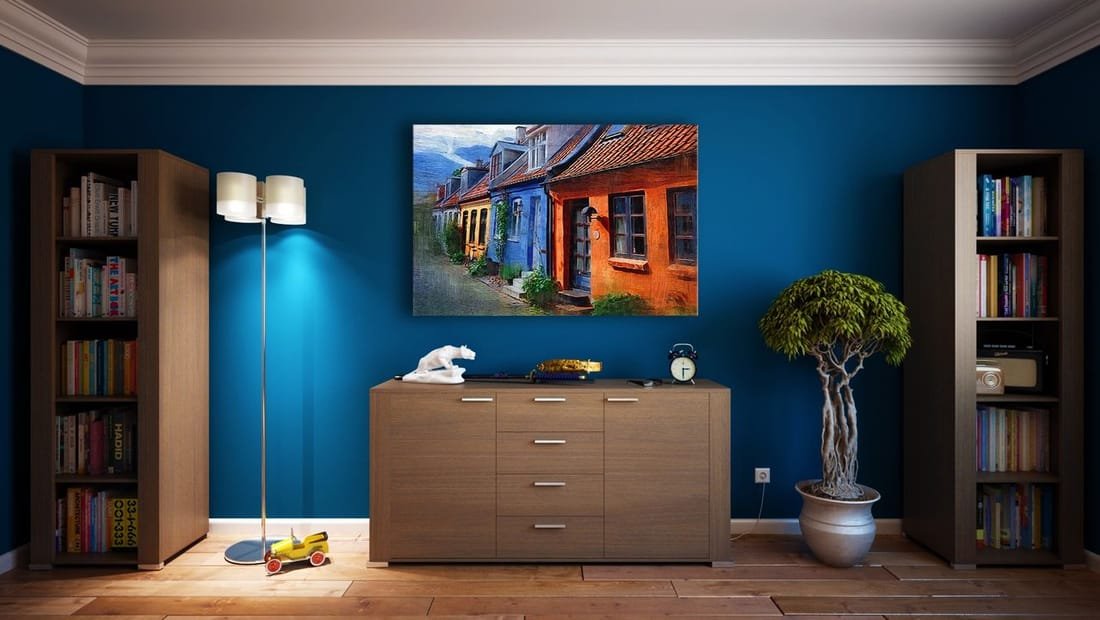
Photo via Pexels
In a market where every agent has access to the same MLS, the same portals, and roughly the same commission split, branding is one of the few things that’s genuinely yours. It’s the reason a past client refers you instead of the other three agents they know. It’s the reason a seller picks your listing presentation off the table before you’ve said a word. Branding isn’t a logo — it’s the consistent impression you leave, and in real estate that impression directly drives referrals and repeat business.
The good news: you don’t need a national campaign or a marketing degree to build a strong personal brand. You need clarity about who you serve, a handful of design decisions made well and kept consistent, and the discipline to show up the same way everywhere. This guide walks through how to do exactly that.
Branding is positioning, not decoration
Before you touch a single color, answer a harder question: who is this for, and why you? A brand that tries to appeal to everyone appeals to no one. The strongest agent brands are specific — the luxury waterfront specialist, the first-time-buyer guide, the relocation expert for a particular employer. Specificity feels risky because it seems to narrow your audience, but in practice it makes you the obvious choice for the people you actually want.
Your positioning should answer three things in a sentence a stranger could repeat: who you help, what you help them do, and what makes working with you different. Everything downstream — your visuals, your copy, your website — is just the consistent expression of that answer. The Nielsen Norman Group has documented for years how trust and credibility form in the first seconds of an experience, and clear positioning is what makes those seconds work for you.
The visual identity that carries everywhere
Once you know what you stand for, the visual layer makes it recognizable. You’re not designing a one-off graphic; you’re building a small system that has to look right on a yard sign, a business card, an Instagram grid, and a website header.
A workable identity needs just a few locked-in pieces:
- A logo — clean, legible at small sizes, and free of clip-art clichés. Often your name set in a strong typeface is more memorable than an ornate house icon.
- A color palette — two or three core colors plus neutrals, used the same way every time.
- Typography — one or two typefaces, chosen for readability first.
- Photography style — a consistent look for your headshots and listing imagery.
You don’t need an expensive agency to get this right. Tools like Canva make it possible to produce consistent, professional collateral once your core choices are made. The discipline matters more than the budget: a modest palette used everywhere beats a beautiful logo nobody sees twice.
Your headshot and photography do heavy lifting
Real estate is a face business. Your headshot may be the single most-seen brand asset you own — it’s on your sign riders, your portal profiles on Zillow and Realtor.com, your email signature, and your homepage. A dated, low-resolution, or wildly off-brand photo quietly undercuts everything else.
Invest in a professional shoot, and direct it. Decide the mood — approachable, polished, energetic — and make sure your wardrobe and the setting match your positioning. The same applies to listing photography, which is part of your brand even when the house isn’t yours; consistent, high-quality images train buyers to associate your name with quality. Our guide to real estate website photography goes deeper on getting this right.
Your voice is part of your brand
Branding isn’t only what people see — it’s how you sound. The way you write your bio, your listing descriptions, your follow-up emails, and your social captions either reinforces a consistent personality or scatters it. A warm, plain-spoken agent who suddenly writes stiff corporate jargon online creates a quiet disconnect that erodes trust.
Pick a voice that matches who you actually are and your ideal client, then keep it consistent. Marketing resources like the HubSpot blog consistently emphasize that a defined voice makes content more memorable and shareable. You don’t need to be clever — you need to be recognizably, reliably yourself.
Your website is where the brand becomes real
You can have a great logo, sharp photos, and a clear voice, and still lose the impression in the final five seconds if your website doesn’t pull it together. For most prospects, your site is the moment your brand stops being scattered touchpoints and becomes a single, coherent experience. It’s where a referral confirms you’re the real deal before they call.
A branded website means your colors, type, photography, and voice all show up in one place, arranged to build trust and guide visitors toward action. The homepage carries the most weight — it’s the digital equivalent of a first handshake — which is why homepage design deserves real attention. If you want to see how positioning and identity translate into finished sites, our roundup of real estate website examples is a useful reference.
Personal brand versus brokerage brand
If you work under a national or regional brokerage, you’re navigating two brands at once — theirs and yours — and the agents who thrive treat their personal brand as the one that travels. Clients hire you, not the sign on the building, and brokerages change. Your personal brand is the equity you keep when you move, so it deserves to lead, with the brokerage affiliation present but secondary wherever your compliance rules allow.
In practice that means your name, your voice, your headshot, and your niche are the constants across every platform, while the brokerage logo appears where required without dominating. This isn’t disloyalty; it’s durability. Coverage from outlets like HousingWire repeatedly notes how often top producers move between brokerages, and the ones who carry their business with them are precisely those who built recognition around themselves. Know your brokerage’s branding rules, then build the strongest personal identity those rules permit.
Let your brand show up in your content
A brand isn’t only how you look — it’s the steady stream of things you publish. Every market update, neighborhood guide, listing post, and email is a chance to reinforce who you are and what you know. Agents who post consistently in their voice, about their market, become the recognizable local expert almost by accumulation. Sporadic, generic content does the opposite, signaling a brand that isn’t quite sure of itself.
You don’t need to be everywhere or post daily. Pick one or two channels you’ll actually sustain, tie your content to your niche, and keep the look and tone consistent with the rest of your brand. Over months, that repetition is what converts strangers into people who already feel they know you — which is the entire point of branding.
Consistency is the whole game
The single most common branding mistake agents make isn’t bad taste — it’s inconsistency. A different look on Instagram than on the website, a headshot from 2019 on one platform and 2024 on another, a formal tone in emails and a casual one on social. Each inconsistency is small, but together they signal that you’re improvising, and improvisation doesn’t inspire confidence in someone about to make a six-figure decision.
Build a simple one-page brand guide — your colors, fonts, logo files, headshot, and a few notes on voice — and use it as your checklist. Industry coverage from outlets like HousingWire repeatedly underscores that the agents who win in crowded markets are the ones who feel established and trustworthy, and consistency is what manufactures that feeling.
Start small, stay consistent
You don’t have to rebrand everything this month. Lock your positioning, get a strong headshot, settle on a small palette and a typeface, and define your voice. Apply those choices everywhere, the same way, every time. That’s 90 percent of agent branding — and it compounds quietly into the kind of recognition that brings listings to you.
When you’re ready to turn your brand into a website that actually converts visitors into clients, that’s our specialty. Will2Design builds real estate web design that carries your identity from first impression to first call. Get a free quote and let’s make your brand work as hard as you do.
Want a website that turns readers into clients?
Tell us about your real estate business and get a free, no-pressure quote.