On-Page SEO for Real Estate Listing Pages
Real estate listing SEO turns thin IDX pages into rankable assets. Here's how to optimize titles, descriptions, content, and schema on every property page.

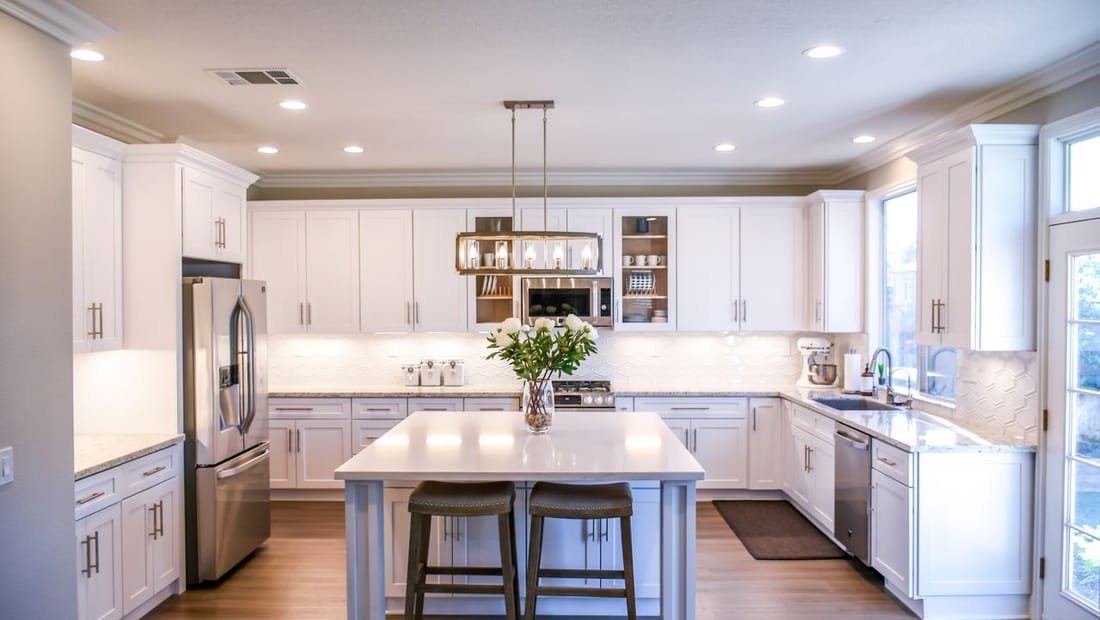
Photo via Pexels
Listing pages are the heart of a real estate website and, ironically, the part most agents leave completely unoptimized. They pull listings from the MLS through IDX, the page populates with photos and a stock description, and that is the end of it. The result is a page that looks fine to a visitor but is nearly invisible to Google, because it is thin, duplicated across hundreds of other agent sites, and missing the signals search engines need.
Real estate listing SEO is the practice of turning those pages into something search engines actually want to rank. Done well, your listing and neighborhood pages can pull in buyers searching for exactly the kind of property you have. Here is how to optimize them without turning into a developer.
Why Listing Pages Are So Hard to Rank
Understand the problem before the fix. A typical IDX listing page has three strikes against it.
First, duplicate content. The same MLS listing appears on Zillow, Realtor.com, your brokerage site, and dozens of other agents’ sites pulling the identical feed. Google has to choose one version to rank, and a generic syndicated page rarely wins that contest.
Second, thin content. A page that is mostly photos and a short feed description gives Google little text to understand or rank.
Third, a short shelf life. Active listings sell and disappear, so individual property URLs are temporary, which makes investing heavily in any single one risky.
This is why smart listing SEO focuses energy where it pays off: differentiating the pages that matter and building durable neighborhood and property-type pages that outlive any single listing. Our IDX integration explained guide covers the structural side of this in depth.
Nail the Title Tag and Meta Description
The title tag is the clickable headline in search results and one of the strongest on-page signals there is. Default IDX titles are usually just an address, which captures almost no search intent. Write titles that match how buyers actually search:
- Weak: “123 Main Street”
- Strong: “3-Bedroom Craftsman Home for Sale in [Neighborhood], [City]”
Include the property type, key feature, and location. The Moz beginner’s guide to SEO is a solid reference on title best practices, and Google’s documentation explains how titles are used and sometimes rewritten.
Your meta description does not directly affect rankings, but it heavily affects whether people click. Write a compelling 150-to-160-character summary that highlights what makes the property special and includes the location. Think of it as the ad copy for your search listing.
Write Descriptions That Differentiate
This is the single biggest opportunity in listing SEO, and the one almost nobody takes. Instead of leaving the bland MLS feed text, add your own original content around or in place of it.
Original, specific descriptions do double duty: they give Google unique content to rank, and they help the listing actually sell. Write about:
- The neighborhood feel, walkability, and what is nearby.
- Schools, commute times, and local amenities buyers care about.
- Standout features in natural language, not just a spec list.
- The lifestyle the home offers, who it suits and why.
A few paragraphs of genuine, location-rich writing transform a duplicate page into a unique one. The writing approaches in our real estate blog content ideas translate directly to richer listing copy.
Use Headings and Structure Properly
Search engines and readers both rely on structure to understand a page. Each listing page should have a single clear H1, typically the property’s descriptive title, followed by logical H2 subheadings like “About the Neighborhood,” “Home Features,” and “Schools and Amenities.”
This is not cosmetic. A clean heading hierarchy helps Google parse what the page is about and helps skimming buyers find what they want fast. It also creates natural places to work in the location and property-type language you want to rank for, without keyword stuffing.
Optimize Images and Alt Text
Real estate is visual, so your listing pages are loaded with photos, and those photos are an SEO opportunity most agents waste entirely.
- Use descriptive file names. “modern-kitchen-quartz-island-cityname.jpg” beats “IMG_4827.jpg.”
- Write meaningful alt text that describes the image for accessibility and search, like “Renovated kitchen with white quartz island and stainless appliances.”
- Compress every image so the page loads fast; heavy galleries are a top cause of slow real estate pages.
- Caption strategically where it adds context.
Image optimization also feeds image search and the visual results increasingly common in property searches. Tighten this up alongside the speed work in our technical SEO guide, since slow-loading galleries undercut everything else. Strong photography itself is covered in our piece on real estate website photography.
Add Structured Data for Listings
Schema markup is code that tells search engines exactly what your page contains, and for listings it can earn richer, more eye-catching search results. The vocabulary lives at Schema.org, and relevant types include Residence, Product, and Offer details like price, plus Place and PostalAddress for location.
Implemented correctly, listing schema can surface price, beds, and other details directly in search, making your result stand out against plain text competitors. It is technical, but it is exactly the kind of edge that helps your pages compete against the portals on specific local searches.
Build Durable Pages That Outlive Listings
Because individual listings sell and vanish, the highest-return listing SEO is building permanent pages that capture ongoing search demand. Instead of betting everything on temporary property URLs, create:
- Neighborhood pages targeting “homes for sale in [neighborhood]” that stay live and accumulate authority over time.
- Property-type pages like “condos for sale in [city]” or “luxury homes in [area].”
- Buyer-intent landing pages for specific searches your market generates.
These pages can showcase live IDX results while ranking on their own permanent URLs, so they keep working as inventory turns over. This is where listing SEO and a smart site structure meet, and it is the model we build into client sites through our IDX listing integration service. National players like Zillow and Redfin dominate broad terms, but well-built local neighborhood pages routinely beat them on specific, lower-competition searches where you have genuine local depth.
Internal Linking Ties It Together
Do not let listing and neighborhood pages sit in isolation. Link them sensibly: neighborhood pages to relevant active listings, listings back to their neighborhood guide, related property types to each other. This helps Google crawl and understand the relationships between your pages and keeps visitors moving deeper into your site, which the playbooks at Search Engine Journal and Backlinko cover in detail.
A connected, well-structured set of pages ranks far better than a pile of disconnected listing URLs.
Match the Search Intent Behind the Page
A page ranks best when it answers exactly what the searcher wanted. Before optimizing a listing or neighborhood page, ask what someone typing that search is really after. A buyer searching “homes for sale in [neighborhood]” wants to browse current inventory and understand the area, so that page should pair live listings with genuine neighborhood context. Someone searching a specific property type wants to compare options, so a clean, filterable set of relevant listings plus a short orienting intro serves them best.
When the page content matches intent, two good things happen at once: Google sees engaged visitors who stay and explore rather than bouncing, and those visitors are far more likely to convert into a call or a form fill. Optimizing for intent is also what separates a page that merely ranks from one that ranks and produces leads. The National Association of Realtors consistently finds buyers begin online, so meeting them with the right page at the right moment is the whole game.
Putting It Into Practice
You do not have to do all of this on every temporary listing. Focus your energy where it compounds: build strong, permanent neighborhood and property-type pages, optimize the titles and descriptions on listings that matter, and make sure your IDX setup is not flooding Google with thin duplicates. That combination is what lets a local agent’s pages rank against far bigger competitors.
If wrangling IDX, schema, and neighborhood page structure is not how you want to spend your evenings, that is exactly what we handle. Our IDX listing integration service builds listing and neighborhood pages engineered to rank and convert, not just display feed data. Get a free quote and we will show you how your listing pages could be working much harder.
Want a website that turns readers into clients?
Tell us about your real estate business and get a free, no-pressure quote.